
Nội dung chính
Measurement variables include conceptualization of constructs (e.g., alcohol use consequences vs. consumption vs. hazardous drinking), measurement type (e.g., interview vs. questionnaire), and study design (e.g., longitudinal vs. cross-sectional). Further, study population (e.g., adults vs. adolescents) may also play a meaningful role in explaining variance. Yet, these moderating influences have not been systematically explored. Unfortunately, this example is far too common, as people like Margaret, after an experience of sexual or physical victimization, turn to alcohol to relieve symptoms of anxiety, irritability, and depression. In this paper we present a new model to help explain how trauma’s effects on psychological distress may influence alcohol consumption. People with PTSD often develop alcohol use disorder as a way to self-medicate their trauma symptoms.
Medications with Novel Mechanisms of Action that target both Alcohol Use Outcomes and PTSD
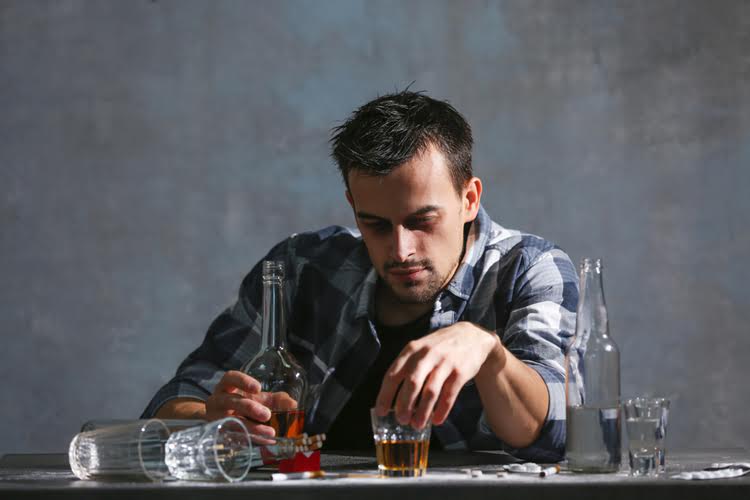
Analysis of the harmful drinking variable as a moderator was conducted on ptsd and alcohol abuse all correlation matrices recorded given that several studies included multiple drinking variables. If you have PTSD and use alcohol or drugs, you’re more likely to get a substance use disorder. When you have this condition, it’s very hard to control your use of substances. Substances include alcohol, illegal drugs, and prescription and over-the-counter medicines. In this way, drinking can compensate for the endorphin withdrawal that follows a traumatic experience.
Appointments & Care
Get professional help from an online addiction and mental health counselor from BetterHelp. We’re here 24/7 to help guide you or your loved on through rehab and recovery. Sunnyside Med offers access to compounded naltrexone (50mg + B6 5mg), paired with behavioral tools to help you reduce your drinking over time. Traumatic events can be very difficult to come to terms with, but confronting and understanding your feelings and seeking professional help is often the only way of effectively treating PTSD. If you’ve decided to take a break from drinking, it’s wise to adapt your social activities accordingly.
- Every person deserves to grow up in a safe and supportive environment.
- Whether it’s painting, writing, or playing music, artistic expression can provide a channel for processing emotions and breaking free from the constraints of trauma.
- The titration was accomplished in 2 weeks, so a 6-week trial should be adequate to evaluate medication response.
- Support groups such as Alcoholics Anonymous and PTSD support groups can provide individuals with a sense of community and support during their recovery process.
- Techniques such as cognitive restructuring and exposure therapy can help individuals process traumatic memories and reduce reliance on alcohol as a coping mechanism.
#4. Severity of Symptoms + Occupational and Social Impairment
Study analyses were reran controlling for the trauma type classifications described by Contractor et al. (2020; i.e., Accidental/Injury Traumas, Victimization Traumas, and Predominant Death Threat Traumas). As Sober living house such, for the sake of parsimony, we decided to retain our initial analyses. This disparagement, in turn, eventually led to therapy ambivalence and avoidance. This history was activated in the present as fear for her teenaged son.
Study sheds light on interplay among PTSD, combat experience, alcohol use
- For recommended treatments, please consult with your health care provider.
- If you or a loved one is struggling with PTSD and alcohol use, don’t wait to seek help.
- Moreover, alcohol abuse in PTSD patients can increase the likelihood of accidents and injuries.
- We explore how alcohol use, and emotional avoidance more broadly, become targets for change.
This method has been used effectively to screen medications for drug use disorders.99 When examining treatments for co-occurring AUD and PTSD, investigators are encouraged to use promising treatment targets or their combinations. Also, researchers can use human laboratory paradigms to screen these potential medications in an effort to optimize the clinical utility of pharmacotherapeutic treatments for comorbid AUD and PTSD. Participants were 107 veterans who were enrolled in a larger randomized controlled trial comparing COPE to SS (Norman et al., 2019).
Manage your career
She remarked, “I never knew I could just feel normal, but I really do.” Her posttreatment PCL-5 score was 8. She also reported a lower level of alcohol use, at 2–3 drinks per week. She would first become apprehensive about continuing treatment, either because she was feeling “amazing” and did not see a need to focus on painful memories or because she was overwhelmed by intolerable emotions of sadness, remorse, or fear. Examining her apprehension helped her to feel reassured and supported, and she would then engage thoughtfully with treatment for another several sessions before re-entering the cycle.
What is the Difference Between Mental and Emotional Health?
- They can learn about the benefits of therapy, medication, and support groups.
- After removing duplicates, the same authors independently screened the remaining titles and abstracts to identify articles that were clearly eligible or clearly ineligible.
- Because inpatient studies are expensive, other innovative strategies such as laboratory studies using stress reactivity or cue induced craving may be more efficient and cost-effective for testing novel therapies.
- As she began to face and build tolerance to the distress, she recognized that her coping capacity was greater than she had believed.
- Contact a treatment provider today to explore your treatment options and start your journey toward a healthier, sober future.
Concurrent trauma-focused therapy and AUD treatment can serve to establish more adaptive coping strategies. This case presents concurrent psychopharmacology and cognitive processing therapy for co-occurring posttraumatic stress disorder and AUD. We explore how alcohol use, and emotional avoidance more broadly, become targets for change. Participants are encouraged to obtain a sponsor who will serve as a source of practical advice and support during recovery.
Researcher surprised by two of the study’s findings
Prolonged exposure involves repeated, prolonged, imaginal exposure to the trauma memory or memories that arise during therapy. Over a three-month course of treatment, Margaret exhibited progressively less distress during imagined exposure, her memories for the traumatic events gradually became less disjointed, and she eventually expressed a sense of resolution regarding these events. As a result, she felt much more capable of combating temptations to drink, which she continued to encounter from a variety of triggers not related to PTSD.
- Beyond the Bets – Is Lucky Star Casino Your Licensed Path to 7,000+ Games, Sports & Massive Rewards – With Curacao-Licensed Thrills with INR & Crypto Deposits
- Каким способом чувства влияют на темп мышления
- Gokken voor beginners een complete leidraad om te starten
- мerhabet Casino Portalý Canlý Casino Ortamýnda Sorunsuz Kazanç Rehberi
- Молодые проститутки vs. актрисы: Как отличить и понять мир интим-досуга

ĐIỂM VÀNG CHẤT LƯỢNG CỦA KNUS PAINT
- Giá rẻ hơn 30% so với thị trường nhờ trực tiếp sản xuất
- Chất lượng cao cấp với nguồn nguyên liệu tuyển chọn
- Bao bì sản phẩm đẹp, minh bạch thông tin sản phẩm
- Chăm sóc khách hàng tận tâm, chuyên nghiệp
- Tư vấn chuyên sâu với đội nhân viên dày kinh nghiệm
- Chính sách bảo hành rõ ràng
- Giảm tiếp 5% khi khách hàng đặt mua lần 2 số lượng lớn
- Hỗ trợ pha màu thanh yêu cầu khách hàng
- Vận chuyển trên toàn quốc.